Parents often hear two very different messages about learning to read.
Some people say: “Phonics is everything.”
Others argue: “Reading is much more than phonics.”
The truth is, both statements contain part of the answer.
Reading is a wonderfully complex skill. Children need phonics, but they also need vocabulary, language, comprehension, fluency, background knowledge and a love of books.
However, while reading is about much more than phonics, phonics is where the journey begins. Without secure decoding skills, everything else becomes much harder.
Let’s explore why.
Reading Is Like Building a House
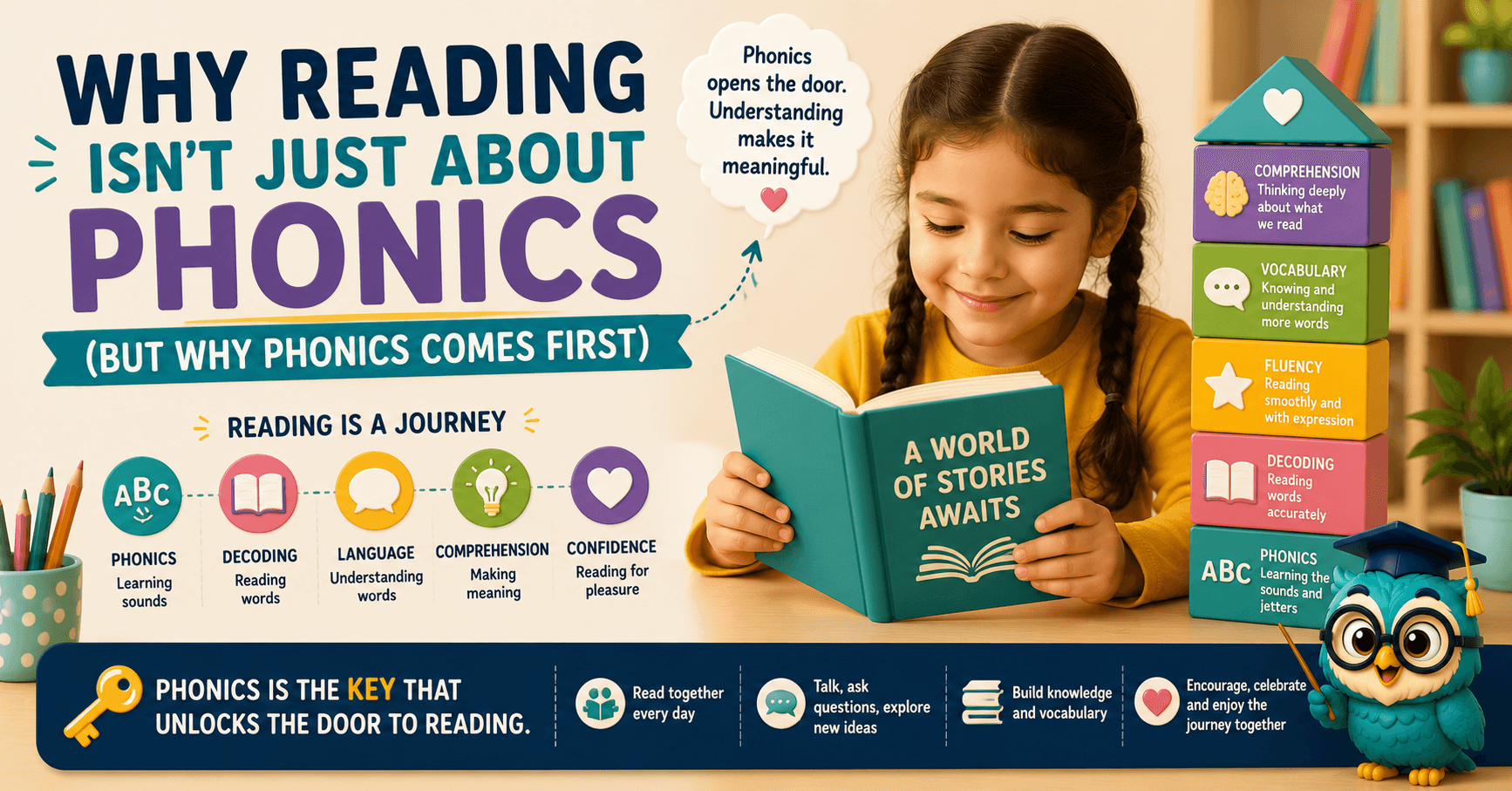
Imagine building a house. You wouldn’t start with the roof. You’d begin with the foundations. Reading works in much the same way. Strong readers don’t develop by learning lots of isolated skills all at once. Instead, they build layer upon layer of knowledge and understanding. A simplified reading journey often looks like this:
Phonics
↓
Decoding
↓
Fluency
↓
Vocabulary
↓
Language Comprehension
↓
Reading Comprehension
↓
Reading for Pleasure
Each stage supports the next.
What Does Phonics Actually Teach?
Phonics teaches children how our written language works. Children learn:
letter sounds
graphemes
blending
segmenting
spelling patterns
decoding unfamiliar words
This allows them to read words they have never seen before. Instead of memorising thousands of words individually, children learn a strategy that works again and again.
Why Decoding Comes First
Imagine trying to answer questions about a book when you cannot read most of the words. It would be almost impossible. Before children can think deeply about a text, they first need to access the words on the page. Decoding should eventually become automatic. When it does, children can focus on understanding rather than simply working out the words.
Reading Is More Than Saying Words
Being able to read the words on a page doesn’t necessarily mean a child understands them. For example, a child might read:
The enormous elephant cautiously approached the watering hole.
Perfectly aloud. But if they don’t know the words:
enormous
cautiously
watering hole
they may not fully understand what they’ve read. Reading isn’t just saying words. It’s making meaning from them.
Vocabulary Matters
The more words children know, the easier reading becomes. Vocabulary develops through:
conversations
stories
play
experiences
being read to
asking questions
Children who hear rich language every day build stronger understanding long before they can read independently. That’s why reading aloud remains valuable, even after children can decode for themselves.
Language Comes Before Literacy
Long before children learn to read, they are learning language.
They listen.
They talk.
They ask questions.
They tell stories.
These experiences develop the oral language skills that later support reading comprehension. Children who enjoy conversations and storytelling often find it easier to understand what they read.
Fluency Changes Everything
Early readers often sound like this:
/t/…/h/…/e/
cat
sat
on
the
mat
Every word requires effort. As children practise, decoding becomes automatic.
Soon they read: The cat sat on the mat.
Smoothly.
Naturally.
With expression.
This is called fluency. Fluency frees the brain to think about meaning instead of individual words.
Background Knowledge Helps Children Understand
Imagine reading a book about space. One child knows about:
planets
astronauts
gravity
rockets
Another has never encountered these ideas before. Even if both children decode equally well, the first child is likely to understand much more because they already possess relevant knowledge. This is why broad experiences matter.
Museums.
Nature walks.
Cooking.
Travel.
Conversations.
Documentaries.
All help build knowledge that supports future reading.
Reading Comprehension Is the Goal
Ultimately, reading isn’t about saying words correctly. It’s about understanding ideas. Good readers:
predict
infer
question
summarise
visualise
connect ideas
These skills develop gradually as children become fluent readers.
So… Why Does Phonics Come First?
Because every other reading skill depends on children being able to access the words. If decoding remains difficult: working memory becomes overloaded. The brain focuses on: “What does this word say?” instead of: “What does this sentence mean?” Once decoding becomes automatic, children have far more mental capacity available for understanding.
The Simple View of Reading
Educational researchers often describe reading using the Simple View of Reading, which explains that successful reading relies on both:
Word Recognition (Decoding)
and
Language Comprehension
Strong readers need both. Excellent decoding without understanding leads to children who can read aloud but don’t fully grasp meaning. Excellent language skills without decoding make independent reading extremely difficult. Both are essential.
How Parents Can Support Reading at Home
Fortunately, many of the best reading activities are simple.
Read Together Every Day
Reading aloud exposes children to vocabulary and language beyond their independent reading level.
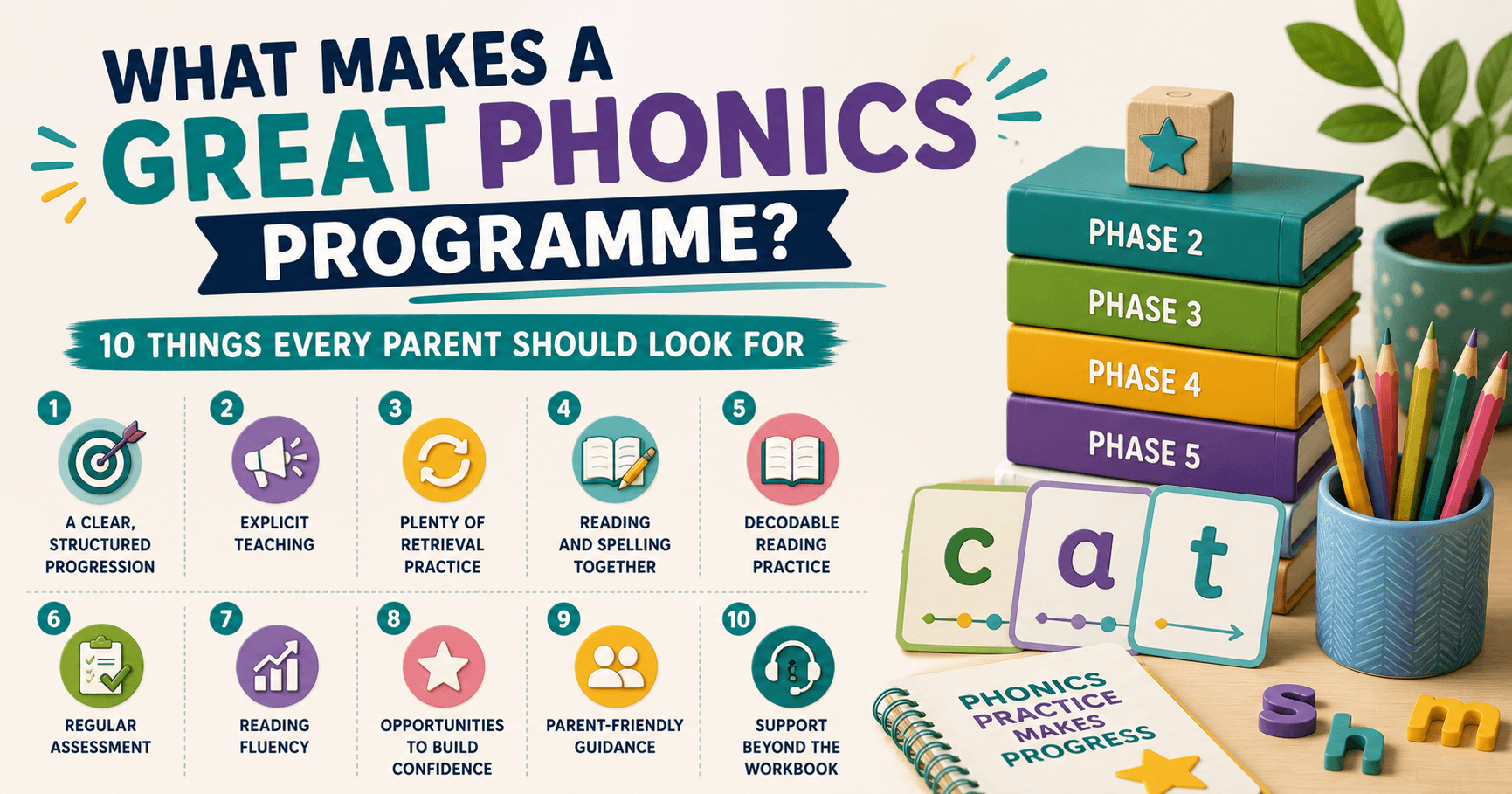
Keep Practising Phonics
Regular phonics practice builds automatic word recognition. Little and often is most effective.
Talk About Books
Ask questions such as: “What do you think will happen next?”
“Why did the character do that?”
“How would you feel?”
These conversations build comprehension.
Build Vocabulary Naturally
Talk while:
cooking
shopping
walking
gardening
travelling
Every conversation develops language.
Encourage Curiosity
Children who ask questions become children who learn. Books often become even more enjoyable when linked to real-life experiences.
Where Does Your Child Need the Most Support?
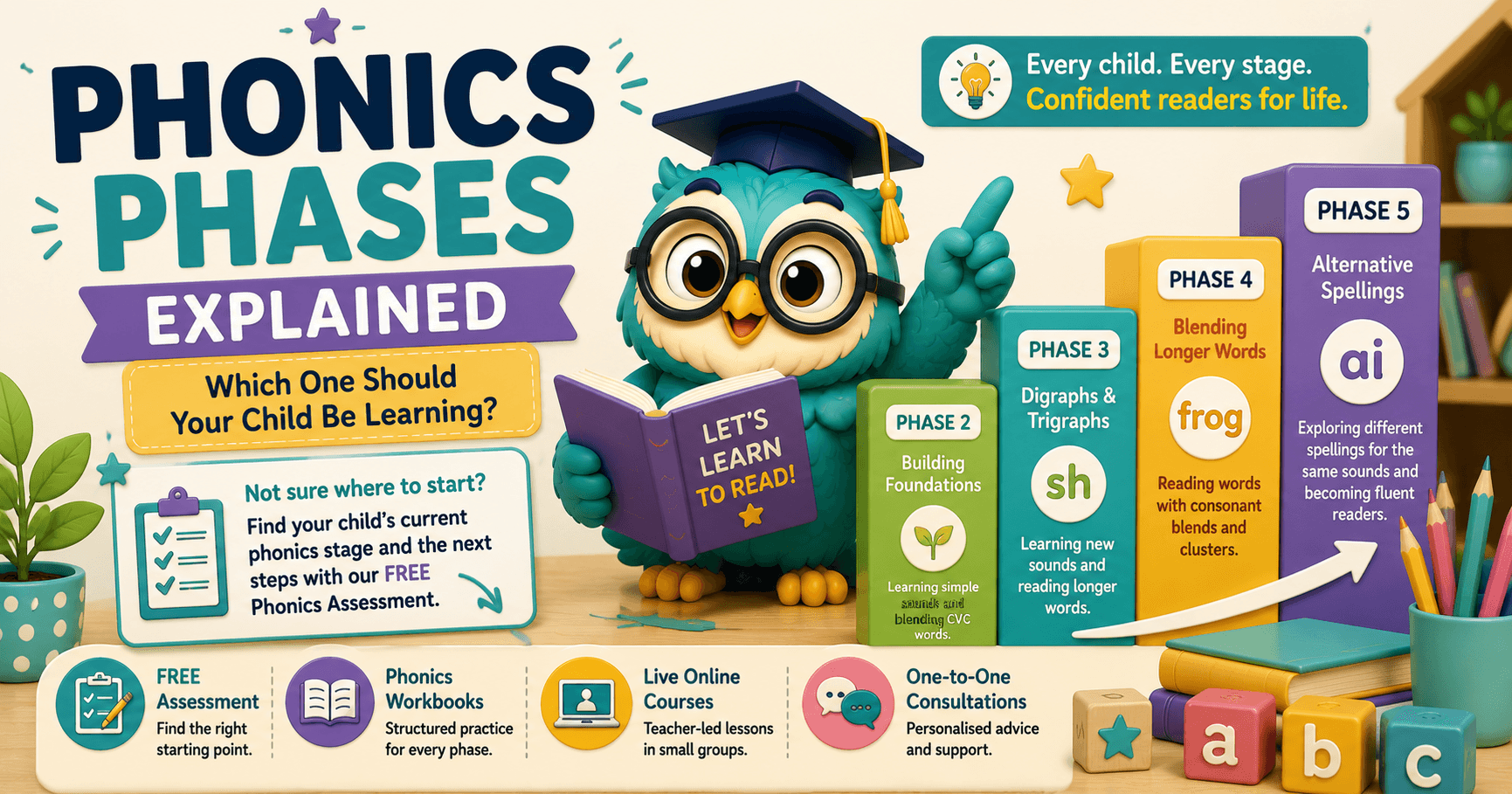
Every child is different. Some children need more practice with decoding. Others need help developing confidence. Some are ready to focus more on fluency and comprehension. Understanding where your child currently is can make home support much more effective.
Not Sure Where to Begin?
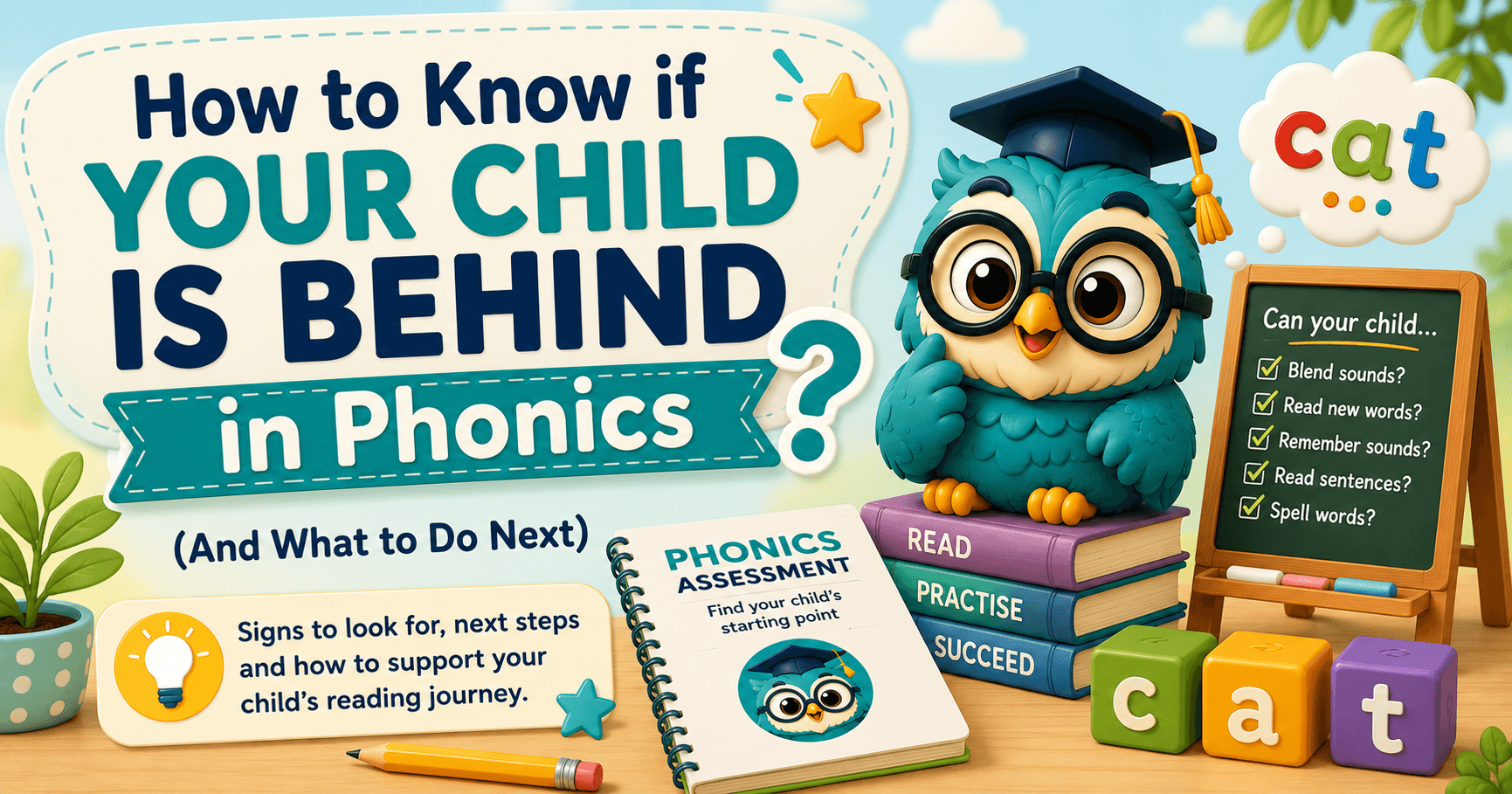
Our FREE QFE Phonics Assessment helps identify your child’s current phonics stage, strengths and next learning goals.
It isn’t a formal test. Instead, it’s designed to help parents understand which phonics skills are secure and where further practice may be beneficial.
Once you know your child’s starting point, supporting their reading becomes much easier.
Looking for Structured Support?
Whether your child is just beginning their reading journey or needs extra confidence, Quality First Education offers structured support designed around secure foundations.
QFE Phonics Workbooks
Our printable workbooks include:
phonics practice
blending
segmenting
reading
spelling
sentence writing
retrieval activities
parent guidance
Perfect for families wanting flexible learning at home.
Live Online Phonics Programmes
Children who benefit from teacher guidance can join our live online lessons. Each session lasts around 25 minutes and includes:
explicit phonics teaching
interactive activities
reading practice
spelling
confidence building
Lessons are taught in small groups by a qualified primary teacher.
One-to-One Phonics Consultation
If you’re unsure what support your child needs, you can also book a personalised consultation.
Together we’ll discuss:
your child’s current reading skills
assessment results
strengths
areas for development
recommended next steps
whether a workbook, programme or both would best support their progress
Reading is about so much more than phonics. It’s about stories.
Knowledge.
Ideas.
Curiosity.
Imagination.
Confidence.
But every one of those wonderful experiences begins with a child being able to unlock the words on the page. Phonics isn’t the destination. It’s the key that opens the door. And once that door is open, children can discover a lifetime of learning through books.
Ready to Support Your Child’s Reading Journey?
Download the QFE Phonics Assessment
Assess your child’s phonics skills at home, identify their current stage and discover exactly where to start.
Download the phonics assessment workbook
Explore Our Phonics Workbooks
Structured, printable workbooks carefully matched to each phonics phase.
Browse the Workbook Collection
Join a Live Online Phonics Programme
Teacher-led, small-group lessons designed to build confident, independent readers.
Book a One-to-One Phonics Consultation
Receive personalised guidance and recommendations tailored to your child’s individual needs.