Every parent wants their child to become a confident reader. Yet if you spend any time online, you’ll quickly encounter conflicting advice. Some people argue that children simply need to be surrounded by books. Others claim reading is a natural skill that develops automatically. Some promote flashcards and memorisation, while others suggest children should focus solely on comprehension. With so much information available, it can be difficult to know what genuinely supports literacy development. Fortunately, decades of research from psychology, neuroscience, linguistics, and education have given us a much clearer understanding of how reading develops. This body of evidence is often referred to as the Science of Reading. While educational debates continue, one thing is increasingly clear: Strong readers are not created through a single programme, app, or worksheet. Literacy develops through a combination of skills that work together over time. Understanding these skills can help families support reading more effectively at home.
Reading Is NOT a Natural Process
One of the most important findings from reading research is that reading is not something the human brain evolved to do naturally. Children learn to speak through exposure to language.
Reading is different.
The brain must learn how to connect:
sounds,
letters,
words,
vocabulary,
meaning,
memory,
and comprehension.
This process requires explicit teaching and practice. While some children appear to learn reading easily, virtually all successful readers develop a range of underlying skills that support literacy. Understanding these foundations helps explain why some children struggle and what can be done to help.
Phonics Matters
One of the strongest findings within reading research is the importance of systematic phonics instruction. Phonics teaches children how sounds correspond to letters and letter patterns. Children learn to:
identify sounds,
blend sounds together,
decode unfamiliar words,
and segment words for spelling.
Without these skills, many children become dependent on guessing. They may rely on:
pictures,
context clues,
memorisation,
or recognising word shapes.
These strategies often work temporarily but become less effective as texts become more complex. Strong phonics foundations allow children to approach unfamiliar words independently and confidently. This is why phonics remains such an important part of early literacy development.
Fluency Is Often Overlooked
Being able to decode words is important, but it is not the final goal. Children also need fluency. Fluency refers to reading:
accurately,
smoothly,
and with appropriate expression.
When reading becomes more automatic, the brain has more capacity available for understanding meaning. Imagine trying to solve a maths problem while concentrating on every individual number. Reading works similarly. If a child must devote all of their energy to decoding, comprehension becomes much harder. Fluency develops through:
regular reading,
repeated reading,
listening to fluent readers,
and exposure to a wide range of texts.
This is one reason daily reading practice remains so valuable.
Vocabulary Plays a Bigger Role Than Many People Realise
A child cannot fully understand words they have never encountered before. Vocabulary knowledge is one of the strongest predictors of reading comprehension. Children build vocabulary through:
conversation,
books,
storytelling,
educational experiences,
documentaries,
and exposure to rich language.
This is why reading aloud remains valuable even after children can read independently. Listening allows children to encounter language that is often far more sophisticated than what they can currently decode themselves. Every story, discussion, and conversation helps expand a child’s understanding of language.
Comprehension Is More Than Answering Questions
Many people think reading comprehension simply means answering questions after reading a text. In reality, comprehension is an incredibly complex process.
Children need to:
understand vocabulary,
connect ideas,
make inferences,
monitor understanding,
draw on background knowledge,
and think critically about information.
Two children may read the same text. One may understand it deeply. The other may decode every word correctly while understanding very little. This is why literacy instruction must go beyond word recognition alone. Reading is ultimately about constructing meaning.
Background Knowledge Matters
One of the most interesting findings from reading research is the importance of knowledge. The more children know about the world, the easier it becomes to understand what they read. For example, a child reading about:
volcanoes,
Ancient Egypt,
bees,
or space
will comprehend the text more easily if they already possess some background knowledge about those topics. This is why literacy cannot be separated entirely from wider learning. Science, history, geography, nature study, and everyday experiences all contribute to reading development. Knowledge builds comprehension.
Reading Aloud Still Matters
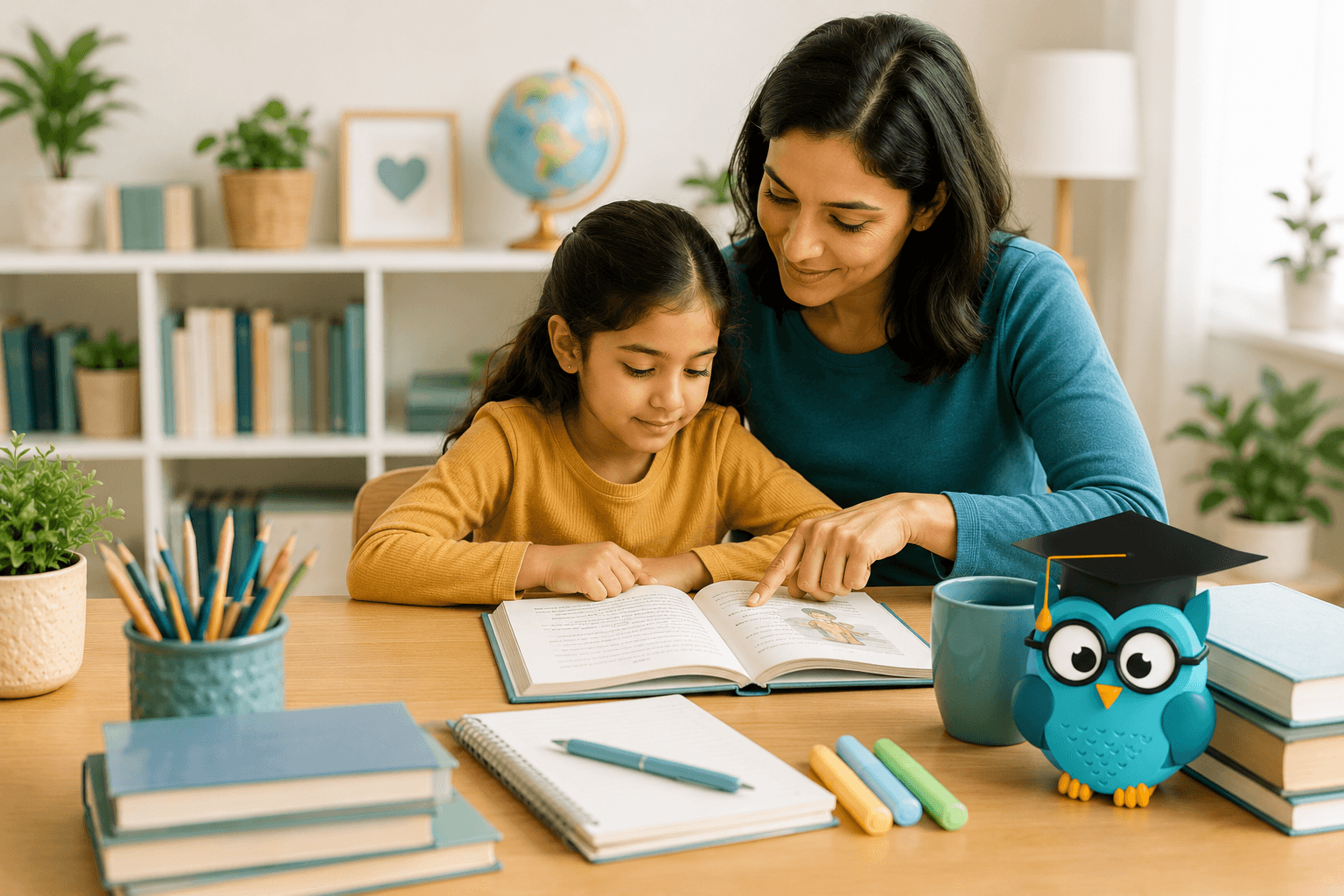
Many parents stop reading aloud once children become independent readers. However, research suggests reading aloud continues to provide benefits long after children can read by themselves. Reading together helps:
expand vocabulary,
develop listening comprehension,
expose children to more complex texts,
build background knowledge,
and create positive associations with reading.
For older children, shared reading can also spark discussions, questions, and critical thinking. Literacy development does not end once a child can decode words. It continues throughout childhood and beyond.
Motivation and Emotional Safety Matter Too
Reading is not purely academic. Emotions play a role as well. Children who associate reading with:
anxiety,
embarrassment,
pressure,
or repeated failure
often become reluctant readers. Children who experience:
success,
enjoyment,
curiosity,
and encouragement
are more likely to engage willingly with books.
This does not mean learning should always feel easy. Challenge remains important. But children learn best when they feel safe enough to make mistakes and keep trying. Confidence and literacy often grow together.
What Families Can Do at Home
The good news is that many effective literacy practices are surprisingly simple. Families can support reading by:
reading together regularly,
encouraging independent reading,
discussing books,
practising phonics where appropriate,
exposing children to rich vocabulary,
visiting libraries,
listening to audiobooks,
encouraging curiosity,
and making reading part of everyday life.
Children do not need endless worksheets to become readers. They need consistent opportunities to engage with language, stories, ideas, and knowledge.
The science of reading does not offer a magic solution. What it does provide is a clearer understanding of how reading develops and why some approaches are more effective than others. Strong literacy is built through many interconnected skills:
phonics,
fluency,
vocabulary,
comprehension,
background knowledge,
and motivation.
When these elements work together, children become more than readers. They become learners who can access information, explore ideas, think critically, and engage confidently with the world around them. And while literacy development takes time, the small, consistent actions families take every day can have a remarkable impact over the years.