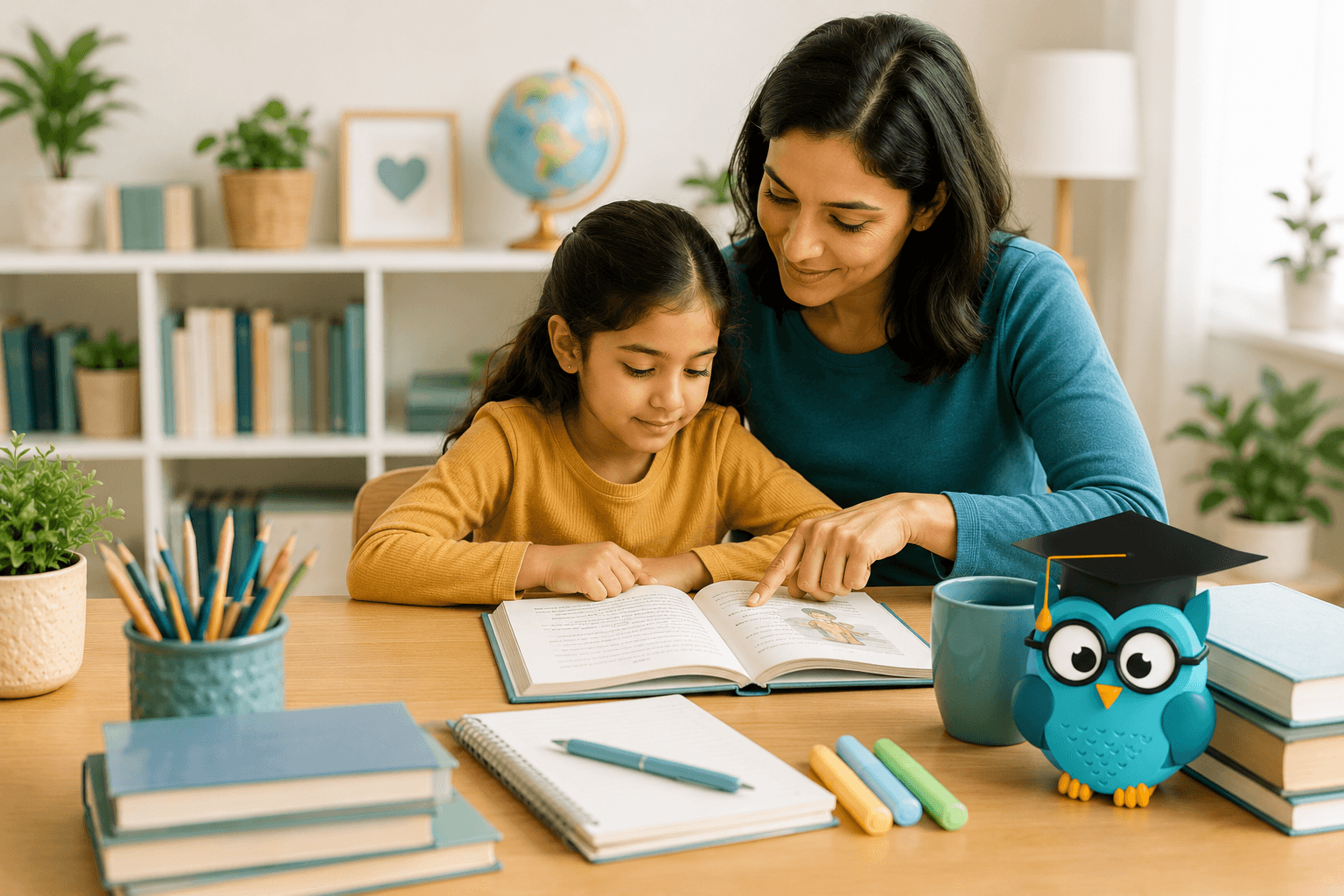
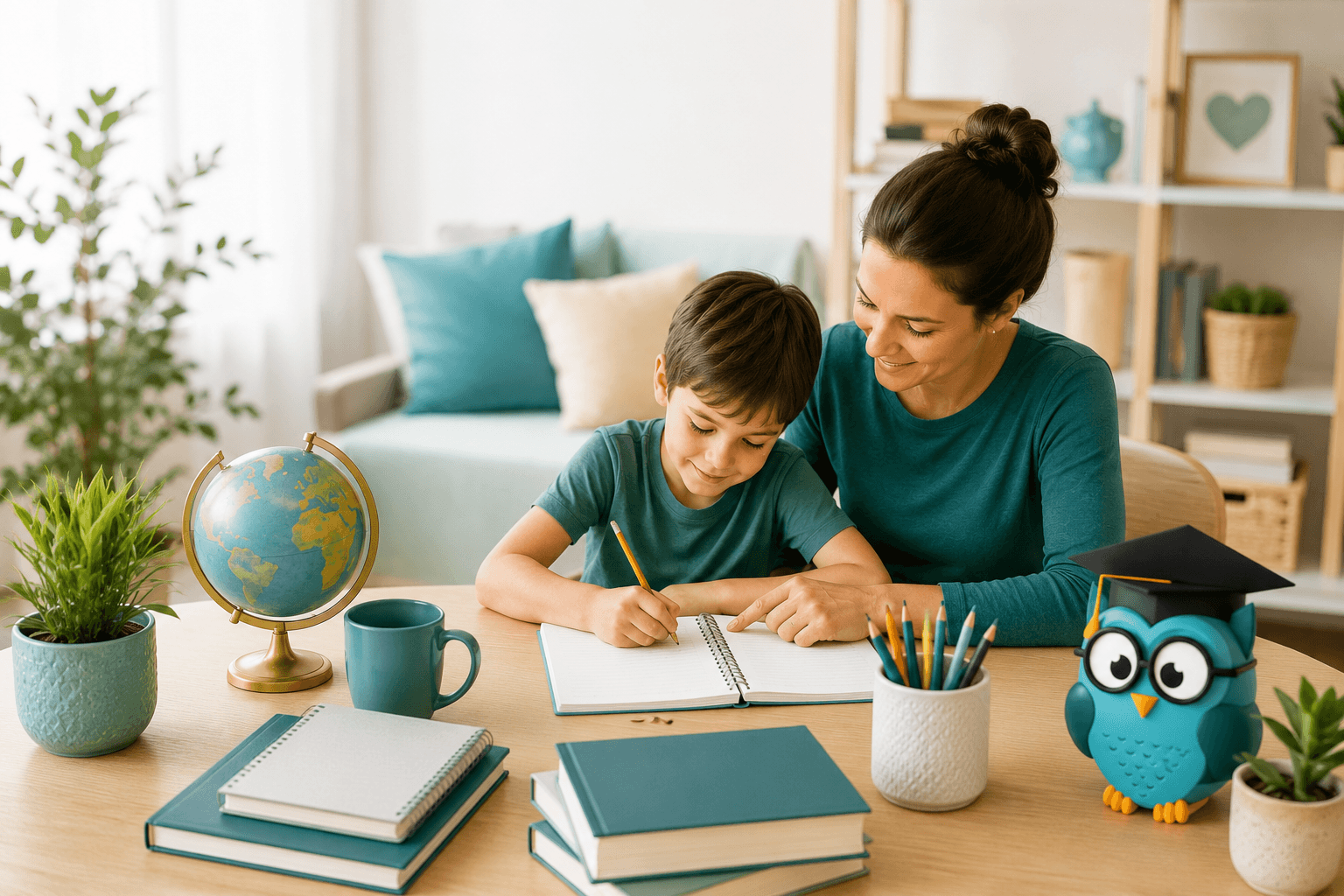
One of the biggest misconceptions about home education is that learning either needs to look exactly like school or have no structure at all. In reality, most successful home-educating families find a balance somewhere in the middle. Too much structure can leave children feeling restricted and exhausted. Too little structure can lead to frustration, inconsistency, and uncertainty. The goal is not to recreate a classroom at home, but to create a rhythm that supports both learning and family life. A calm, structured home education day provides children with predictability, security, and opportunities to learn deeply without the pressure that often accompanies traditional schooling. If you’re new to home education - or simply looking to bring more calm into your days - here are some principles that can help.
Start With the Child, Not the Timetable
Many families begin by searching for the perfect timetable. But before planning hours, subjects, or activities, it helps to consider the child in front of you.
Ask yourself:
When does my child focus best?
How long can they concentrate comfortably?
Do they need movement breaks?
Do they learn best through discussion, reading, projects, or hands-on activities?
What currently causes stress or resistance?
A routine should serve the child, not the other way around. Some children thrive with a predictable schedule. Others benefit from more flexibility. Understanding your child’s needs creates a stronger foundation than any timetable template ever could.
Create a Gentle Daily Rhythm
Children generally benefit from knowing what to expect. This doesn’t mean every day must be identical. Instead, think about creating a daily rhythm. For example:
Morning
Breakfast
Reading
Maths
Short break
Midday
Outdoor time
Lunch
Practical activities
Afternoon
Science
Projects
Creative learning
Independent reading
A rhythm provides structure without becoming rigid. It helps children feel secure while still allowing flexibility when opportunities arise.
Prioritise the Core Subjects
One of the most common mistakes in home education is trying to cover everything every day. Schools often teach dozens of subjects because they must educate large groups of children within specific frameworks. Home education is different.
Most families benefit from focusing consistently on:
Reading
Writing
Mathematics
These subjects form the foundation for much of future learning. When these areas are secure, children are often able to access other subjects more confidently and independently. Topics such as history, geography, science, art, and nature study can then be woven into the week in a way that feels manageable and enjoyable.
Don’t Underestimate the Value of Reading
If there is one habit that transforms learning over time, it is reading.
Reading develops:
vocabulary,
comprehension,
knowledge,
imagination,
critical thinking,
and communication skills.
A calm home education day often includes regular opportunities for reading.
This might involve:
reading together,
independent reading,
audiobooks,
discussing stories,
or exploring non-fiction texts linked to current interests.
Reading does not always need to feel like a lesson. Often the most powerful literacy development happens through shared enjoyment of books.
Make Time for Movement
Children are not designed to sit at tables for hours.
Movement supports:
concentration,
wellbeing,
emotional regulation,
and physical development.
Many home-educating families find that learning improves when movement becomes part of the day rather than something squeezed in afterwards.
This could include:
walks,
cycling,
yoga,
sports,
dancing,
gardening,
or simply playing outdoors.
Some children focus significantly better after physical activity.
Leave Space for Curiosity
One of the greatest advantages of home education is the ability to follow curiosity.
Children naturally ask questions about:
animals,
space,
inventions,
history,
nature,
and the world around them.
These moments often lead to some of the richest learning experiences. Not every educational moment needs to be planned. Sometimes a question about bees leads to a science investigation. A conversation about maps leads to geography. A historical documentary sparks a writing project. Curiosity is a powerful driver of learning when given room to grow.
Avoid the Trap of Constant Comparison
Many home educators worry they are not doing enough. Social media can make it seem as though everyone else is:
completing elaborate projects,
visiting museums weekly,
teaching multiple languages,
and producing beautifully organised portfolios.
The reality is often much less polished. Children do not need endless activities to learn well.
They need:
consistency,
connection,
meaningful learning experiences,
and time to develop.
Comparing your home education journey to someone else’s rarely leads to confidence. Every family is working with different circumstances, goals, and children.
Build Independence Gradually
A calm home education day should not require parents to direct every minute. As children grow, they can begin taking ownership of parts of their learning. This might include:
choosing books,
completing independent work,
researching topics,
keeping journals,
or managing simple projects.
Developing independence takes time, but it is one of the greatest long-term benefits of home education. Children who learn how to learn become increasingly capable of directing their own growth.
Remember That Learning Doesn’t Only Happen at a Desk
One of the most freeing realisations for many home educators is that learning happens everywhere. Children learn through:
conversations,
cooking,
shopping,
travel,
nature walks,
documentaries,
hobbies,
and everyday life experiences.
Not every educational experience needs a worksheet attached to it. Some of the most valuable learning happens naturally through real-world experiences.
Calm Doesn’t Mean Perfect
There will be difficult days. There will be days when plans change, lessons are abandoned, or motivation disappears. That is normal. A calm home education environment is not one where everything runs perfectly. It is one where children feel:
safe,
supported,
understood,
and able to learn without constant pressure.
The goal is not perfection. The goal is creating an environment where learning can flourish over time.
A successful home education day does not need to resemble a traditional classroom. In many ways, its greatest strength lies in the freedom to do things differently. By combining gentle structure with flexibility, prioritising strong foundations, encouraging curiosity, and allowing learning to happen naturally, families can create an environment that supports both educational progress and wellbeing. Home education is not about filling every hour. It is about creating space for meaningful learning, strong relationships, and steady growth. And often, the calmest days become the most productive ones.